A robust nation of resilient small-holder farmer communities that collaborate in vibrant and localized economies, in stewardship with their environment for the benefit of future generations. We work village-based forums to support small-holder farmer agri-enterprises through our Smallholder Enterprise Development Initiative, encompassing two main programmes:
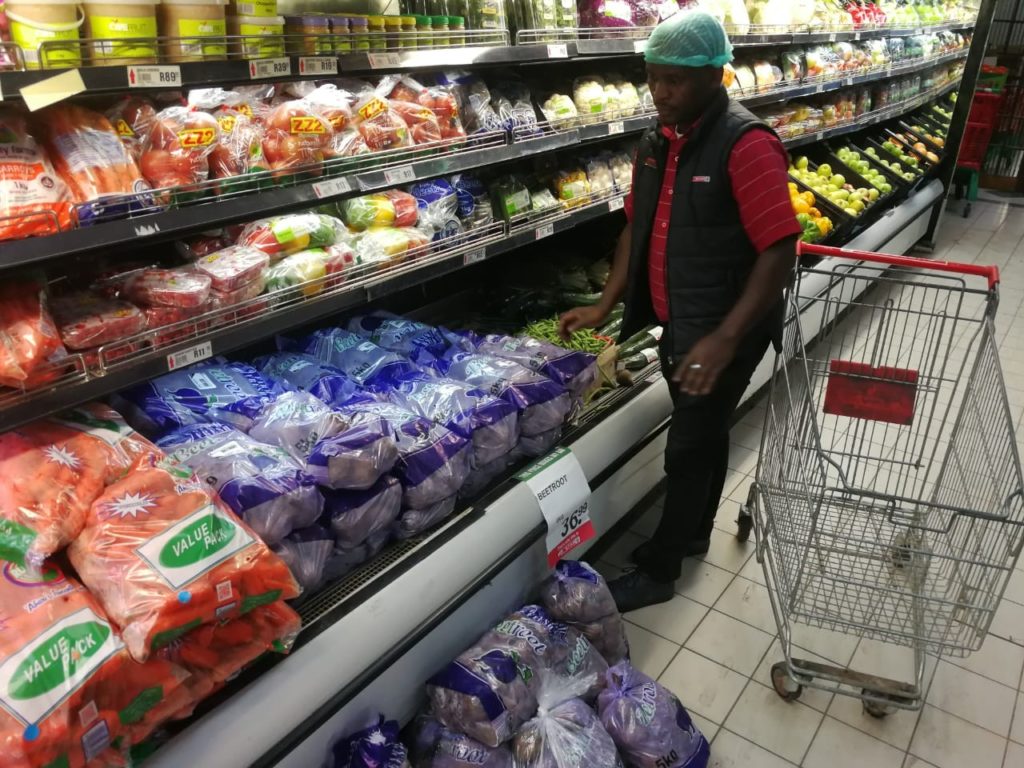
Siyazisiza’s Small-holder Farmer Enterprise Development Iniatitive seeks to capacitate small-holder farmers to optimise identified formal market opportunities, and simultaneously mitigate barriers that typically exclude them from these markets. This is a market-driven initiative involves extensive market engagement and the securing of supply agreements. These supply agreements are entered into on behalf of small-holder farmers by Siyazisiza’s social enterprise, Community Farmer Network. With the supply agreement secured, a programme is then designed to provide the necessary resources and capacities to both the small-holder farmers and other actors along the value-chain to meet the terms of the agreement. The Initiative incorporate a range of strategies which include, but not limited to, how people combine their income generating activities; the way in which they use their assets; which assets they chose to invest in; and how they manage to preserve existing assets and income.
The Siyazisiza Trust identifies and secures access to markets for fresh produce, grain crops and cereals and then works with smallholder farmers across Kwazulu-Natal, Mpumalanga and Eastern Cape to mitigate the many barriers that have historically excluded from them accessing these markets. The range of developmental services provide by Siyazisiza to smallholder farmers is intended to further develop their livelihoods by being able to identify, engage, negotiate and secure market opportunities for his/her produce; operate his farming business with minimal dependence on external agencies and inputs; access the necessary transport & infrastructure to reliably, affordably and timeously transport their produce to market; proactively operates within a broader value chain ensuring access to necessary inputs, value-adding and markets; keep up to date records of all financial expenditure and income; have the necessary knowledge and expertise to independently produce crops according to market specifications; have ready access to the necessary mechanisation and implement to produce crops that meet market specifications; consistently deliver produce of a high quality to market; consistently have high crop yields; grow a diverse range of crops to market standards. be an active member of a local agricultural cooperative or forum; maintain a good working relationship with a range of key local stakeholders; adopt an approach to agriculture which focuses on multi-cropping, water conservation and protection of the natural resource base; and are food secure and do not live in hunger or fear of starvation.
An important aspect of establishing and building the capacity of smallholder farmers is to provide them with a reliable and accessible source of inputs. In this regard, Siyazisiza has been establishing a network of locally owned nurseries. To date, three such nurseries have been established and which produce the seedlings of the correct cultivar and quantity as determined by the market.


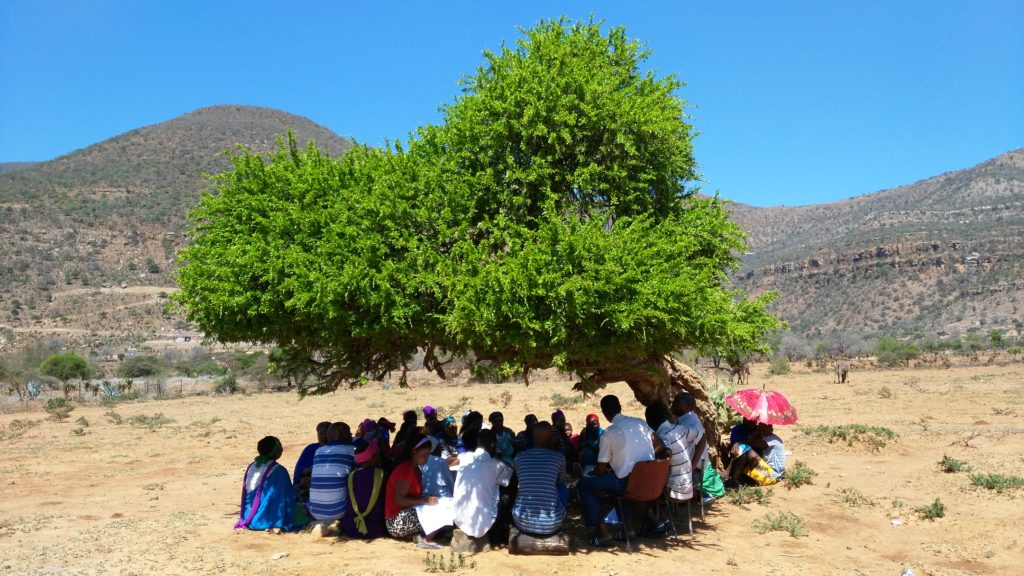
Siyazisiza has been working on establishing farmer-to-farmer networks and agri-forums with the intention of promoting, and recognising the importance of social capital, knowledge-sharing and application. Agri-forums also enhance commercial opportunity and trade by facilitating farmer coordination, the aggregation of produce into market chains, and ease-of-access to smallholder farmers to buyers. These forums are increasingly providing coordination and oversight is areas such as logistics management and quality control and as accessible entry points to small-holder farmers.
Siyazisiza guides the production process to meet an agreed upon, market standard. Agri-enterprises also require the space and facilities for a more hygienic and effective treatment of harvests in preparation for market. In this regard, Siyazisiza advocates its donors and partners for the requisite resources to develop or procure the necessary infrastructure.

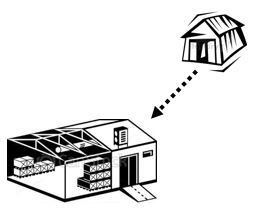
Collection Centres serve as central points where farmers bring their produce for traders to collect. They are premises or structures specifically built or rented to temporarily store produce soon after harvest and are used as a buying post where farmers and traders meet for transactions. Storage duration is usually short – the time it takes for farmers to store their produce until the bulked quantity is large enough to be loaded and transported by the traders/processors. Once brought to the collection centre, the produce is cleaned, sorted/graded, packed, cooled, stored and/or dispatched to market.
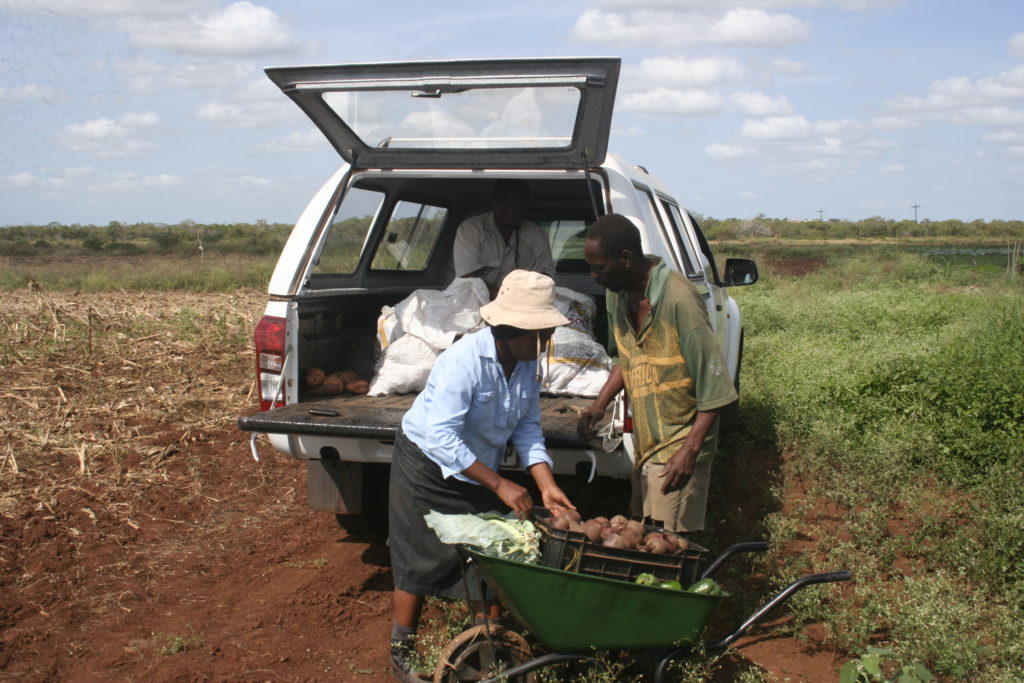
The reliable and timeous transportation of produce to market is critical to retain supply agreements. Siyazisiza, wherever possible, promotes the utilisation of local transport providers. But, it’s important to explore the potential for the establishment of a stand-alone, dedicated logistics company with a contract to transport small-holder farmer produce to markets in order to improve the efficiency and coordination of deliveries.
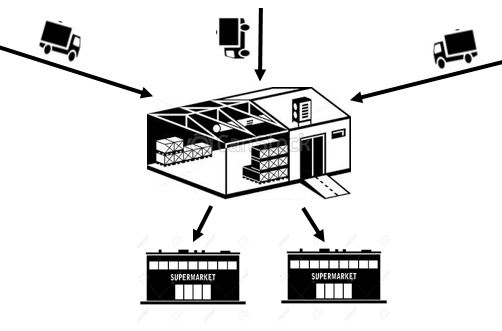

Linking small-holder agri-enterprises to formal markets for the sustainability of the local economies and direct benefit of Siyazisiza’s beneficiaries.
“Our growth is determined like this: if we have planted three lines, and we make money from that, then we can expand by taking that money and buying more seeds to expand our garden to 16 [lines]. That is an achievement to us, on its own. Then from there, we grow, so that when we supply, we can supply a large quantity. So, growing our farming area – that’s what our profit does. We had green peppers, which we supplied to Spar and then we bought seeds with that, and then expanded as you can see.”
Sabelo Khubone (30)
Three of the four young, Black agri-entrepreneurs that make up Fresh Harvest – a crop enterprise located in Obanjeni near Mtunzini, north-east of KwaZulu Natal – proudly pose for a photo as they transport the delivery of their harvested organic beetroot for the first time into a formal market at Melmoth Spar.
In their region, the survival and success of small-holder farmers depends on a reliable market. The team attended a youth consultative meeting held by the Siyazisiza Trust in May 2019. The meeting aimed to find ways for Siyazisiza to engage youth in Obanjeni and surrounding areas, and synergies that may exist between the farming community and work done by Siyazisiza.
They then sought assistance from the Trust, and started working with field officers in July that year. With guaranteed access to a formal market, the Fresh Harvest team was able to grow and sell their produce. In October 2019, Melmoth Spar stocked fresh beetroot bought from the Fresh Harvest partners.
Click the button below to read more about our impact on small-holder farmers.

From left to right, clock-wise: Sabelo Khubone (30), Simphiwe Mthembu (37) and Wonderboy Mtshali (22).
Missing from pic: Sifiso Yendi (29)